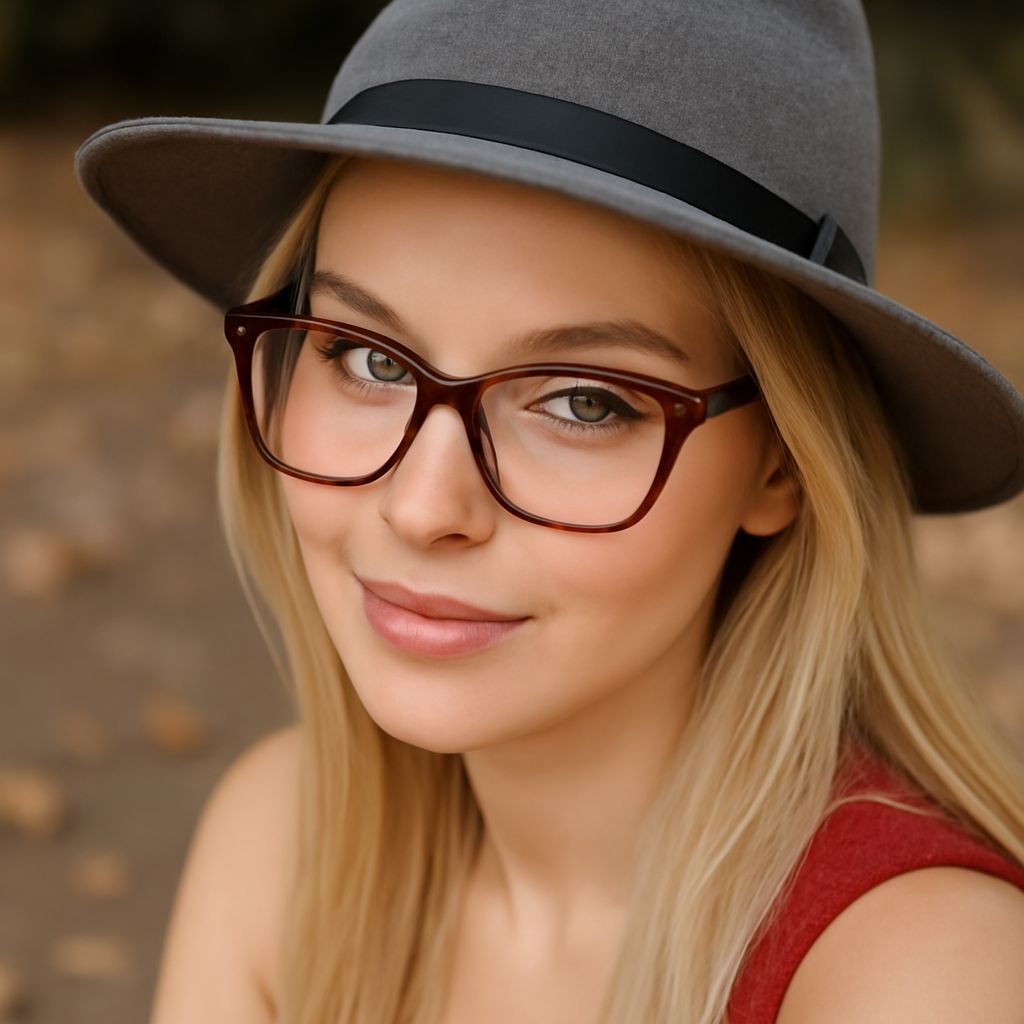
Which frames can make an outfit look contemporary while remaining comfortable all day? The styles of glasses in fashion in 2026 range from bold acetate to fine wire, and each changes the balance of a face in a different way. Recent frame trends offer a useful set of options: compare their lines and weight against the wearer’s features, then test how each pair sits in motion.
Glasses Trends: A Snapshot of 2026
The question of what glasses are in style has several answers. Specsavers’ 2026 editor’s picks include softly upswept cat eyes and angular metal frames with double bridges. These glasses trends come from editorial and retailer selections for a particular season, so they show directions to try rather than a count of what everyone wears.
Among current eyeglass styles, the difference between a thick rim and a fine one can matter as much as the outline. A substantial dark frame draws a clear line across the upper face; a narrow metal rim lets the eyes and eyebrows remain more prominent. Both can feel contemporary, depending on the rest of the look. For anyone wondering which eyewear is in style, that contrast is an easy place to begin.
Choose a Silhouette With Intention
Popular glasses styles include rectangles, rounded frames, cat eyes, and geometric shapes. A rectangle can create a crisp horizontal accent, while a rounder lens softens the outline. A cat eye lifts at the outer corners: a subtle rise may look restrained, while a sharp point makes the frame a more theatrical part of the outfit. Hexagonal or softly squared lenses add angles without needing a heavy rim. These popular frame styles can be subtle or emphatic according to their thickness.
When considering which glasses are stylish, look at the relationship between the top rim and the eyebrows. A rim that follows their general direction can feel harmonious; one that cuts sharply across them creates a stronger contrast. Neither effect requires a particular face-shape label. A person styling a josou look, for example, might choose a gentle upsweep to echo an eyeliner shape, or use a straight dark rim to give a tailored outfit a deliberate edge.
In 2026, fine wire offers a quieter alternative to a broad frame. Try a small oval or a rounded rectangle beside a heavier version of the same shape. The outline may be similar, but the fine rim leaves more visible skin around the eyes and changes the visual weight of the face. This slim-frame direction suits an understated outfit.
Compare Materials and Color
Acetate, a moldable material often used for substantial frames, can carry rich color and layered patterns. Tortoiseshell combines mottled brown, amber, and darker tones; translucent acetate allows light through the rim and gives a thick shape a lighter appearance. In its September 2026 overview, Park Slope Eye identifies both translucent colors and bold acetate among directions in independent collections. This is a view of those collections, not a measure of all eyewear sales.
Fine metal frames can look delicate and expose more of the face, while broader metal frames create a sharper, architectural line. Adjustable nose pads on many metal designs also allow an optician to refine the fit. Compare the actual frames in hand: construction and weight vary, even within one material. The metal-frame direction can take the form of either a restrained wire or a broad, polished edge.
What glasses are in style may influence the first pair taken from the display, but color determines how that frame works with a wardrobe. Black gives high contrast; amber and brown can sit more softly against warm clothing. Clear or pale frames let a bright lip color or patterned garment take the lead. Hold each option near the face in daylight and indoor light, because a transparent rim can look almost invisible in one setting and noticeably tinted in another.
Test Proportion Before Deciding
Trends in eyeglasses are easier to use when the frame fits the face and the intended lenses. Look straight into a mirror: the eyes should sit comfortably within the lenses, and the frame should not press into the temples. Smile and turn the head; the lower rims should not rest heavily on the cheeks, and the bridge should stay in place without pinching or sliding. An optician can assess adjustments and whether a chosen shape suits a prescription.
Frame proportions can also be compared by width and depth. A wide frame creates a stronger horizontal line, while a deeper lens covers more of the cheek area. If oversized frames appeal, try two sizes with similar outlines: the smaller may preserve the intended effect while leaving more space between rim and cheek. For progressive lenses, ask the optician whether the lens height provides enough room for the prescribed viewing zones.
To see which glasses are fashionable on the wearer, photograph the same two or three pairs from the front and at a slight angle, under the same lighting. Include the hairstyle and an outfit likely to be worn with them. A frame that looks dramatic alone may blend into dark hair, while a pale one may become more noticeable against it. Images also help show which spectacles are in style with the clothing already in the wardrobe.
Seasonal frame trends can guide a shortlist, but the final test takes longer than a glance. Wear each candidate for several minutes, read at a normal distance, and notice pressure at the nose and behind the ears. If the frame shifts when looking down, ask whether an adjustment can correct it before choosing another size or bridge.
The best answer to which frames are in fashion is the pair whose visual effect stays appealing after it has passed that comfort test.