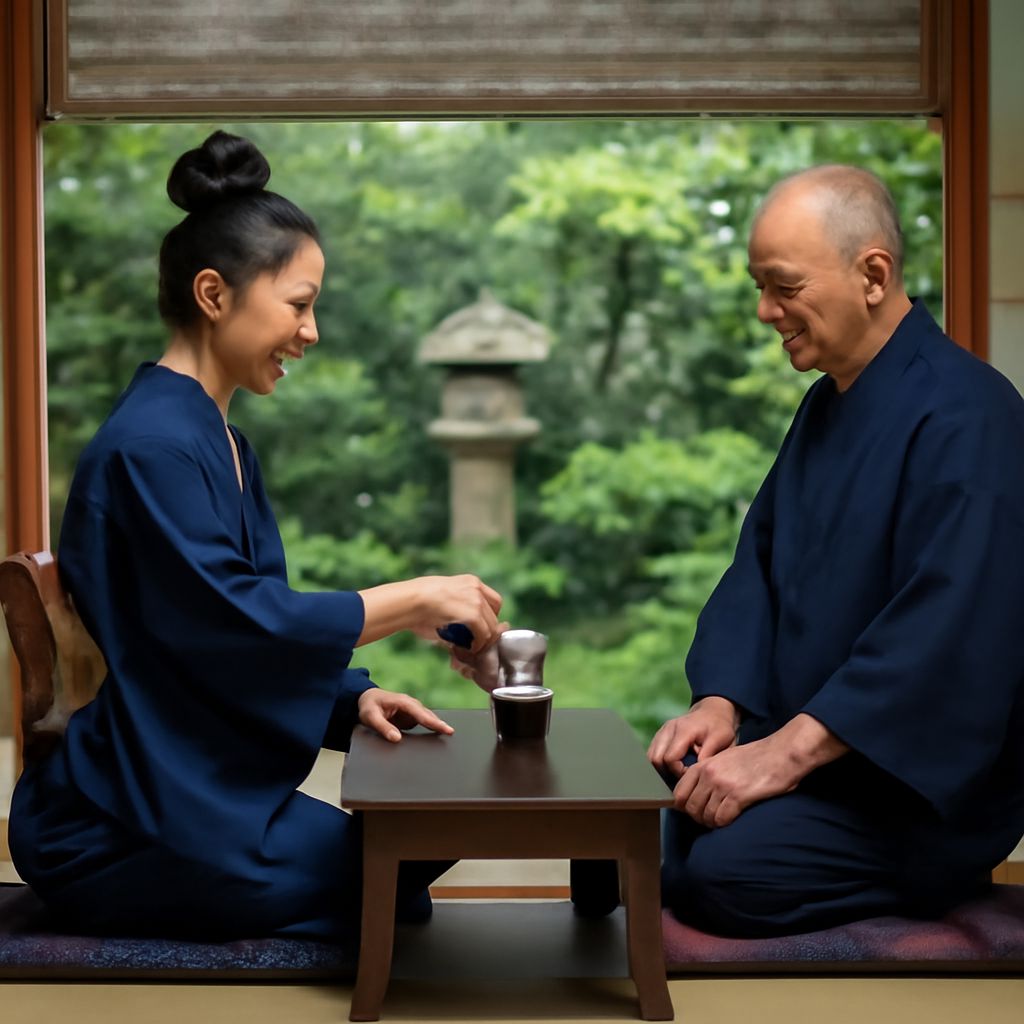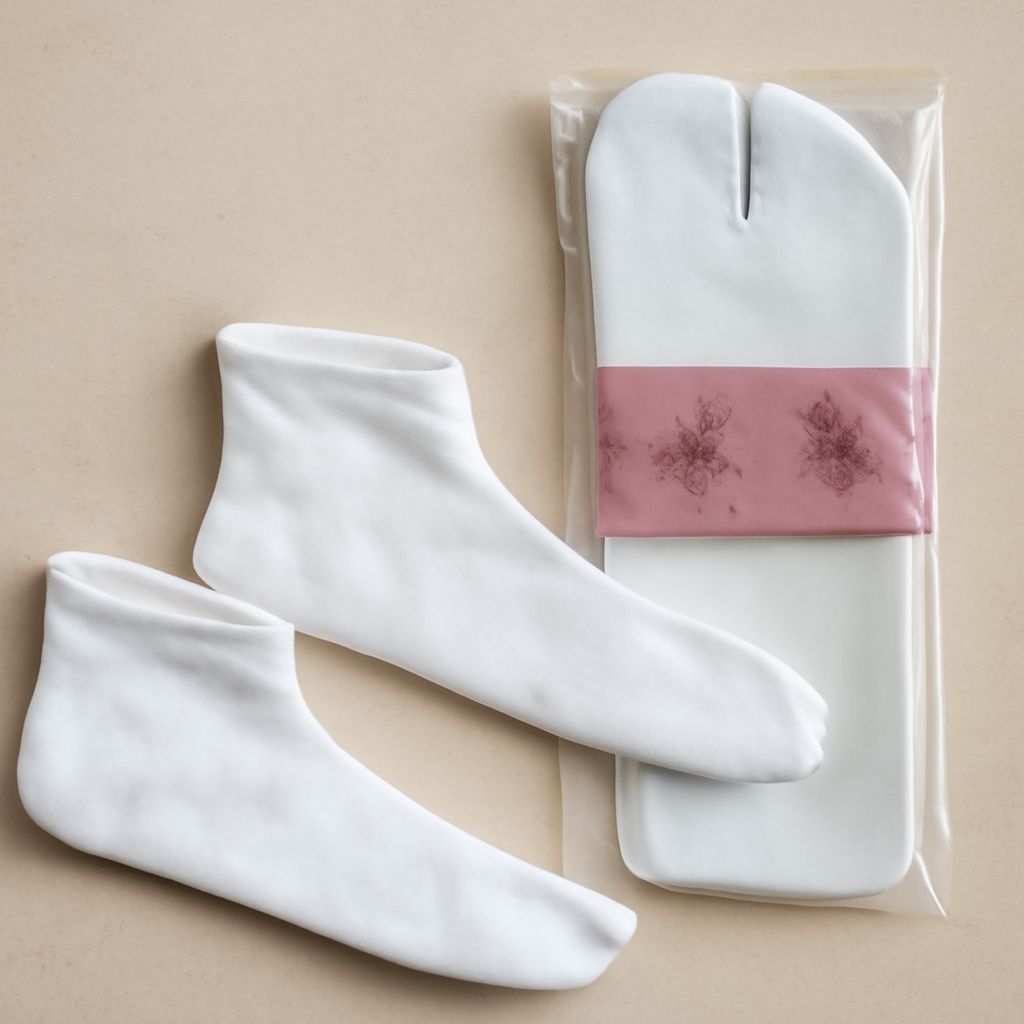
Tabi socks split at the big toe, allowing them to sit securely inside traditional Japanese footwear. Hakama are pleated garments worn over a kimono, while geta are wooden sandals. An obi is the sash that closes and supports the kimono layers.
These pieces form several outfit types rather than one universal costume. Their fabrics, fastening methods, and footwear change with formality, season, and whether the wearer chooses a kimono, yukata, or hakama.
Tabi Socks: The Split-Toe Shape and Fastening
Tabi are ankle-high socks with a separate compartment for the big toe. This split-toe construction creates space for the thong, or hanao, on traditional sandals. Ordinary socks cannot sit comfortably beneath that strap.
Traditional tabi are usually made from cotton and close at the back of the ankle with small metal clasps called kohaze. The clasps hook into fabric loops, giving the sock a close, formal fit. Stretch tabi use elastic fabric instead and are easier to put on.
White tabi are the standard choice with formal kimono and zori. Coloured or patterned versions suit casual clothing. They are commonly worn with geta as well, although a casual yukata outfit is often worn barefoot. Tabi boots and modern split-toe shoes are related designs, but they are not the same as traditional tabi socks.
Hakama Pants: Pleats, Construction, and Forms
Hakama pants are structured, high-waisted garments worn over a kimono. They have a wide silhouette, several deep pleats, and long ties that wrap around the waist. Many traditional designs include five pleats at the front and one at the back, although details vary by style.
A firm panel called a koshiita supports the back of some hakama. Separate front and back ties hold the garment in place over the kimono’s obi. The ties are essential: the obi closes the kimono, while the hakama’s own cords secure the outer layer.
Skirt-Like and Divided Forms
Andon-bakama are skirt-like, with one wide continuous body. Umanori-bakama are divided between the legs, creating two loose trouser sections. Both forms use pleats and a broad waistband, but the divided style allows easier movement and resembles wide trousers more closely.
Other Japanese Pants: Where They Differ
The phrase Japanese pants can describe many garments besides hakama. Workwear such as monpe, loose samue trousers, and contemporary wide-leg designs may have separate legs without hakama’s pleated panels, backboard, or formal waist ties. Calling every traditional trouser style hakama therefore obscures useful differences.
Geta Sandals: Construction and Tabi Pairing
Geta are wooden sandals built from a flat or slightly raised wooden base and a fabric thong. Traditional raised geta have one or two wooden teeth, called ha, beneath the base. The wearer places the thong between the first and second toes, matching the split in tabi.
Geta are strongly associated with yukata and other relaxed summer clothing. Bare feet are common with a casual yukata, particularly in warm weather. Tabi may be added for comfort, cooler conditions, or a more finished appearance.
With a formal kimono, white tabi are generally paired with zori rather than everyday geta. Some formal or specialized geta styles can be worn with tabi, but the sandal’s shape and the event determine whether that pairing looks appropriate. The key test is whether the sandal’s thong fits naturally between the tabi’s divided toes.
The Obi: A Japanese Sash With Different Widths and Uses
An obi is a Japanese sash family, not one single design. It wraps around the waist to close a kimono or yukata and provides the foundation for the decorative knot. When hakama are worn, the obi remains beneath the hakama and the hakama cords fasten over it.
Wide maru obi are highly formal and elaborate. Fukuro obi are also formal but lighter, while nagoya obi are shaped to make tying easier. Narrow hanhaba obi are common with yukata and casual kimono. Soft heko obi offer a relaxed alternative, especially for informal wear and children.
Width affects both appearance and use. A broad obi creates a substantial waistline and supports complex knots; a narrow obi is easier to tie and better suited to casual clothing. The knot, colour, and material should match the garment’s formality.
How the Pieces Combine in Complete Outfits
Use the following combinations as practical examples, not as a single definition of traditional Japanese dress.
Formal Kimono, Obi, Hakama, Tabi, and Zori; Haori Optional
A formal combination can include a formal kimono, a structured obi, hakama, white tabi, and zori. The kimono is closed with the obi; the hakama is layered over it and tied with its own cords; the tabi protect the feet; and the zori provide a flat, formal sole.
A haori jacket may be added for warmth, visual structure, or a more ceremonial layered appearance. It is an additional garment, not a replacement for the obi or hakama. Depending on the tradition, the wearer may use a skirt-like or divided hakama form.
Yukata, Obi, and Geta; Tabi Optional
A casual summer outfit pairs a lightweight yukata with a narrow hanhaba obi and geta. The obi keeps the yukata closed, while the geta provide a ventilated wooden sandal suited to relaxed outdoor wear. Hakama are not needed for this combination.
Tabi are optional here. Bare feet create the most informal look, while tabi add toe protection, warmth, or a sharper finish. A matching bag or hair accessory can be added, but it does not alter the basic relationship between the yukata, obi, and geta.