The world of hijab is rich with cultural, spiritual, and personal meaning. Understanding the types of hijab and the different types of hijab styles can help you appreciate the diversity in Muslim women’s fashion and self-expression. Whether you’re new to hijab or looking to explore new styles, this guide breaks down the main types, highlights popular styles, and explains how to choose the right look for your needs.
What Is a Hijab?
Hijab is an Arabic word meaning “barrier” or “cover.” In everyday usage, it refers to the headscarf worn by many Muslim women as an expression of modesty and faith. The practice of wearing hijab varies around the world in its interpretation, covering styles, and levels of strictness. For some, hijab simply refers to the headscarf itself, while for others, it embodies an entire approach to dress and demeanor.
At its core, hijab is a personal decision influenced by religious beliefs, cultural traditions, and individual comfort. Most commonly, it involves covering the hair, neck, and sometimes shoulders, while leaving the face uncovered. The fabric, color, and wrapping methods are often shaped by regional and personal preferences.
Main Types of Hijab
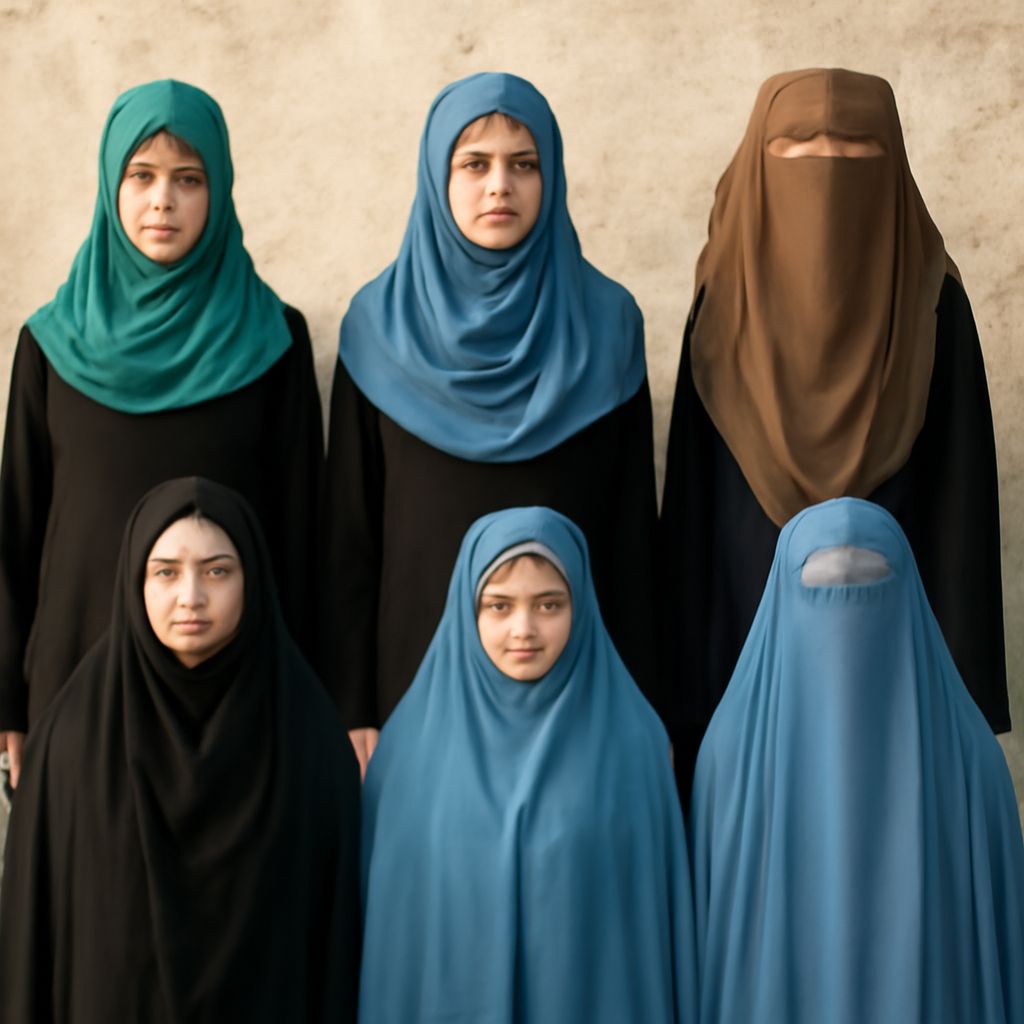
The most recognized types of hijab include several styles that range from minimal coverage to full-body garments. Here are the main categories:
- Hijab (Headscarf): The standard rectangular or square scarf, wrapped to cover the hair and neck but not the face.
- Khimar: A cape-like veil that covers the hair, neck, and shoulders, often extending to the waist or longer.
- Al-Amira: A two-piece style consisting of a fitted cap and a tube-like scarf slipped on top, known for its simplicity and ease.
- Shayla: A long, rectangular scarf popular in the Gulf region, wrapped loosely around the head and pinned at the shoulder.
- Turban Style: A modern take where the scarf is wrapped around the head in a way that leaves the neck exposed, favored for its chic, urban appearance.
- Other Full-Body Garments: While not hijab in the strict sense, garments like the niqab (covers the face except the eyes) and chador (a full-body cloak) are often associated with modest Muslim dress.
Each type allows for unique interpretations and can be adapted with different fabrics and accessories to suit personal taste or community norms.
Different Types of Hijab Styles
Exploring different types of hijab styles reveals diverse ways Muslim women express their identities and adapt to various settings. Below are some of the most popular and versatile ways hijabs are styled:
Classic Wrap
This is the most traditional and widely seen hijab style. A square or rectangular scarf is folded and placed over the head, then wrapped under the chin and pinned behind the neck. The ends may be left to drape over the chest or gracefully thrown over the shoulders. The classic wrap offers coverage and comfort for daily wear and can be easily adjusted for practicality or elegance.
Shayla
The shayla style uses a long, lightweight scarf that is wrapped loosely around the head and neck. It often features the ends draped over one shoulder or across the chest. This style is especially common in the Middle East and is favored for its graceful lines and adaptability. It works well with both casual and formal outfits, and the fabric choice can range from cotton for everyday wear to silk or chiffon for special occasions.
Khimar
The khimar is a cape-like garment that covers the hair, neck, and shoulders, sometimes reaching to the waist or even the knees. It is worn by slipping it on over the head, without the need for pins or wrapping. This style is especially popular among women who prefer maximum coverage and simplicity. With no intricate wrapping involved, the khimar is also an excellent choice for school, work, or prayer.
Al-Amira
The al-amira hijab consists of two pieces: a fitted cap and a tube-like scarf worn over it. This style is extremely easy to wear and stays in place throughout the day, making it ideal for active lifestyles or young girls. The snug fit ensures the hijab won’t slip, and it comes in many colors and patterns to suit different tastes.
Turban Style
The turban hijab style wraps the scarf around the head and knots it at the front or side, with the ends tucked in or left as a loose tail. This fashion-forward look leaves the neck exposed, making it especially popular among younger women or those who want a contemporary style that pairs well with modern outfits. Turban hijabs come in bold prints and solid hues, offering plenty of room for creative expression.
Choosing the Right Hijab Style
Finding the right hijab style depends on your personal comfort, cultural background, and daily activities. Consider the fabric—cotton and jersey are great for all-day wear, while silk or chiffon add elegance for formal events. Think about coverage: a khimar or classic wrap offers more modesty, while a turban provides a trendier look with less coverage. If you need a low-maintenance option, the al-amira is hard to beat.
Experimenting with different hijab styles can help you discover what feels most natural and reflects your identity. Try various wrapping techniques, colors, and fabrics to find looks that work for you in different situations. Ultimately, the types of hijab and the different types of hijab styles allow for personal expression while honoring tradition and modesty.