No break pants offer a sharp, tailored appearance that defines today’s modern menswear. The “no break” style refers to trousers hemmed so the front barely touches the top of your shoe, creating a straight, uninterrupted line. This fit contrasts with traditional styles where extra fabric creates a fold or “break” above the shoe. Understanding the difference between no break pants and others with more fabric at the hem is essential for choosing the right look, particularly in professional and fashion-forward settings.
What Are No Break Pants?
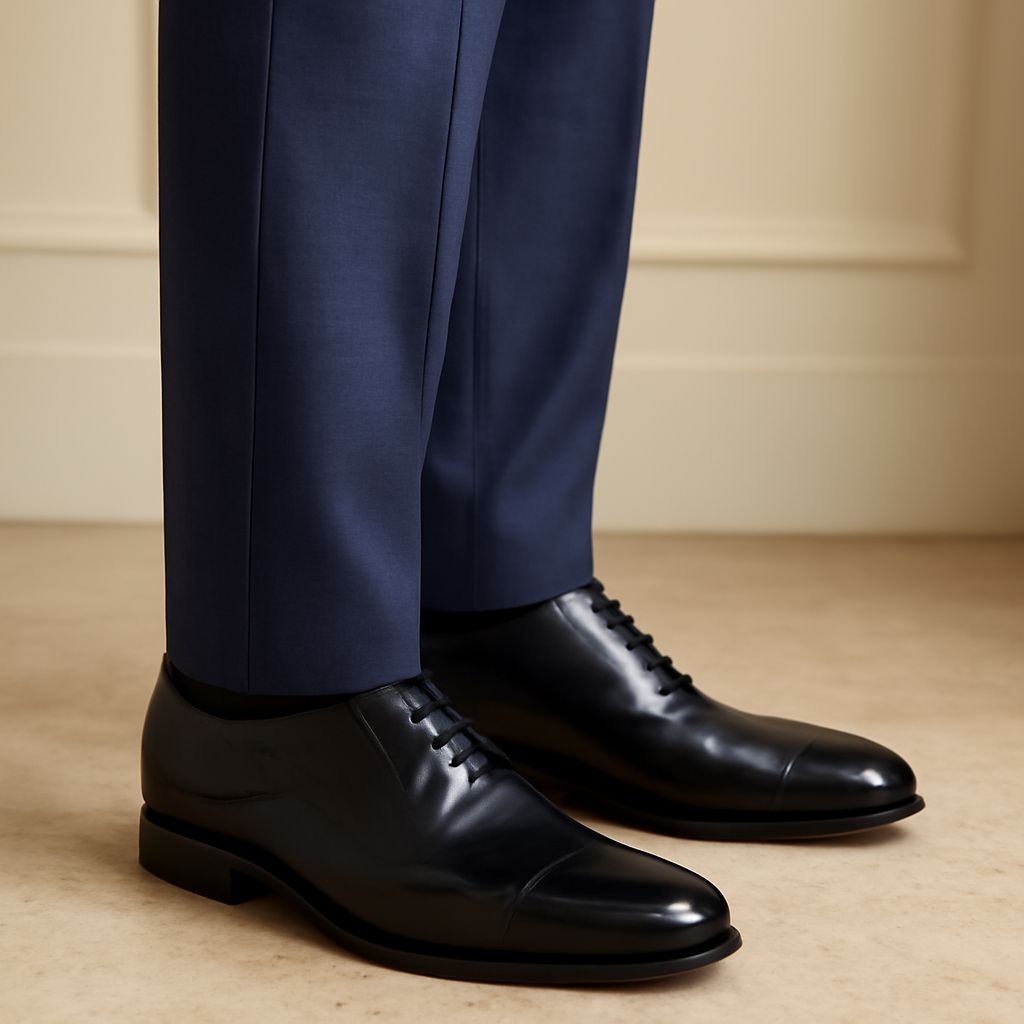
No break pants are trousers designed so the hem sits just above or barely grazes the top of your shoes, leaving no visible “break” or fold in the fabric at the ankle. The result is a sleek, clean line from the waist to the cuff. This style eliminates any bunching or excess material at the bottom, making the pants appear custom-fitted and sharply tailored.
The no break look is especially popular with slim or tapered pants, helping to accentuate a streamlined silhouette. It also works well with cropped styles or when you want to show off your footwear, such as dress shoes, loafers, or even premium sneakers. By keeping the hem short, you avoid the stacking or bunching that can make pants look sloppy or dated.
This hem style is frequently seen in modern suiting, fashion editorials, and among professionals who want a crisp, up-to-date appearance. While it originated as a progressive trend, the no break cut is now a mainstream option in custom and off-the-rack tailoring.
No Break vs. Pants Break: Key Differences
The primary distinction between no break pants and traditional pants break lies in how the pant hem interacts with your shoe. “Pants break” refers to the fold or crease that forms where the trouser hem meets the shoe. There are varying degrees:
- No Break: The hem just touches or hovers slightly above the shoe, with no visible fold.
- Quarter Break: A small fold where the hem barely rests on the shoe.
- Half Break: A moderate fold, with the front of the hem resting more fully on the shoe and a visible crease forming.
- Full Break: Noticeable bunching and a deeper fold, giving a more traditional, relaxed look.
No break pants offer a contemporary, minimalist vibe and showcase the shape of your legs and shoes. They work best with slim or tailored pants. In contrast, pants with a visible break can suggest a classic or less tailored aesthetic, often paired with looser fits or vintage-inspired styles. The choice ultimately affects not just the look, but also the perception of your outfit’s precision and modernity.
Another key difference is versatility—no break styles tend to look best with ankle-length socks or bare ankles, while pants with a break can hide socks and accommodate a wider range of shoe heights.
When to Choose No Break Pants
No break pants are ideal for occasions where a crisp, fashion-forward appearance is valued. They excel in business environments with modern dress codes, creative industries, and events where style and attention to detail matter. Men who are shorter or have slim frames may find this style particularly flattering, as it elongates the leg and avoids excess bulk around the ankle.
This cut is also a strong choice for tailored suits, wedding attire, and cocktail events. If you want to highlight premium shoes—such as designer loafers, brogues, or minimalist sneakers—a no break hem draws the eye and keeps your footwear in focus. For summer or warmer climates, the exposed ankle or sockless look is both practical and stylish, further justifying the choice.
Avoid no break pants if you’re wearing boots or high-top shoes, as the hem may sit awkwardly or reveal too much sock. For more formal or conservative workplaces, a slight quarter or half break may still be preferred for a traditional impression.
Styling Tips for No Break Pants
To get the most from your no break pants, ensure the fit is slim or tailored through the leg. Excess fabric at the thigh or calf can make the clean hem look off-balance. Choose shoes with a low profile—such as Oxfords, loafers, or minimalist sneakers—to complement the short hem. Match your socks to your pants or shoes for a seamless look, or go sockless for a bolder, trend-driven effect.
When having pants hemmed for no break, ask your tailor to angle the hem slightly, with the back marginally longer than the front. This technique helps the pants drape cleanly without revealing too much ankle at the heel. For ready-to-wear options, brands like SuitSupply, Bonobos, and J.Crew offer modern cuts that closely follow the no break silhouette.
Pair no break pants with shorter jackets or tucked-in shirts to maintain clean proportions. Avoid oversized or baggy tops, which can throw off the streamlined effect. With the right tailoring and careful styling, no break pants deliver a refined, contemporary look that stands out in both business and social settings.