Couture is one of the most revered terms in the fashion world, synonymous with luxury, exclusivity, and extraordinary craftsmanship. The word conjures images of stunning, one-of-a-kind garments that push the boundaries of design, often seen on the most prestigious runways and red carpets. To truly understand what sets couture apart, it is essential to explore its definition, historical context, and real-world impact on the fashion industry.
Definition of Couture
The dominant answer to what does couture mean centers on its literal translation and industry usage. The word “couture” comes from the French term for “sewing” or “dressmaking,” but in fashion, its meaning is much more specific and prestigious. The definition of couture in modern fashion refers to the creation of exclusive, custom-fitted clothing. Each couture piece is meticulously crafted for an individual client, reflecting their measurements, preferences, and lifestyle.
Within the fashion industry, “haute couture” designates the highest level of craftsmanship and exclusivity. This distinction is regulated by the Chambre Syndicale de la Haute Couture in Paris, which sets strict criteria for what can be officially labeled as haute couture. Requirements include handcrafting garments in a Parisian atelier, maintaining a minimum staff, presenting collections twice a year, and designing made-to-order pieces for private clients. True couture houses such as Chanel, Dior, and Givenchy embody this tradition.
In everyday usage, “couture” may be used more loosely to describe any high-end, luxury fashion, but in its purest sense, it denotes pieces that are individually made, often requiring hundreds or even thousands of hours of skilled labor.
Couture in Fashion History
The origins of couture are deeply rooted in nineteenth-century Paris. Charles Frederick Worth, an English designer working in Paris, is widely regarded as the founder of haute couture. In the 1850s, Worth introduced the concept of the designer label and created bespoke garments for his elite clientele, each crafted to their specific tastes and measurements. This approach soon distinguished Paris as the global capital of high fashion.
Throughout the twentieth century, couture reached new heights of influence. Designers like Christian Dior, Coco Chanel, and Cristóbal Balenciaga shaped the direction of luxury fashion with their innovative silhouettes and technical mastery. Couture became a symbol of both artistic and social aspiration, reserved for royalty, celebrities, and the wealthiest patrons.
Despite changes in the industry, the spirit of couture remains alive today. Modern couture continues to set trends and standards for the entire fashion world, often inspiring ready-to-wear collections and influencing red carpet and editorial styling.
How Couture Differs from Ready-to-Wear
The distinction between couture and ready-to-wear (prêt-à-porter) is pronounced and fundamental. Couture is exclusively custom-made. Each garment begins with a private consultation, followed by multiple fittings, and is constructed entirely by hand using the finest fabrics, embellishments, and techniques. Houses like Valentino and Schiaparelli often spend hundreds of hours on a single dress, with teams of artisans specializing in embroidery, beading, or tailoring.
In contrast, ready-to-wear collections are produced in standard sizes and manufactured in larger quantities. While luxury ready-to-wear can feature high-quality materials and skilled construction, it is designed for broader distribution and commercial reach. Ready-to-wear pieces are available in boutiques and department stores, whereas couture is accessible only by commission and invitation.
Another key difference lies in exclusivity and cost. Couture garments are often one-of-a-kind or produced in extremely limited numbers, with prices reflecting the intense labor and rare materials involved. Ready-to-wear, though still expensive at the luxury level, offers a more accessible entry point for consumers seeking designer fashion.
Modern Examples of Couture
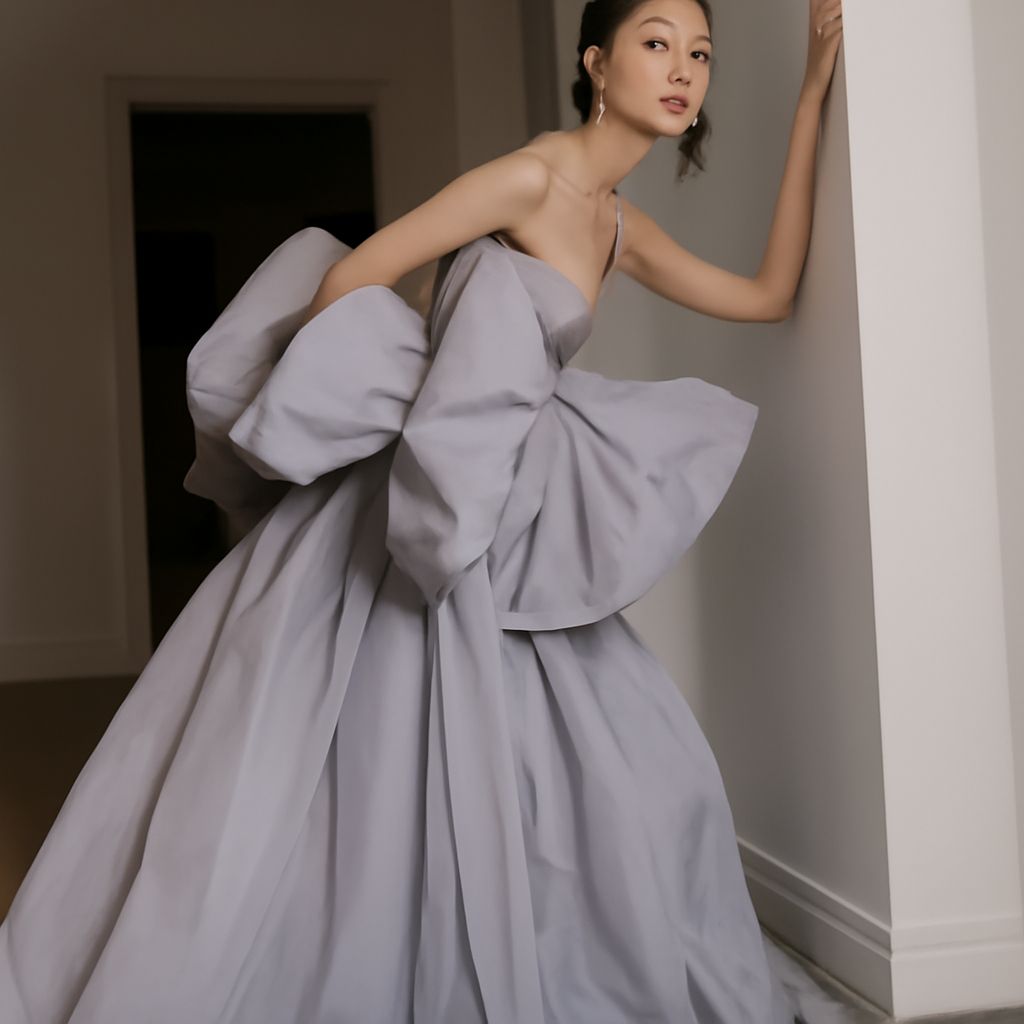
Today, several legendary houses continue to define and innovate couture. Chanel’s couture collections, led by creative director Virginie Viard, regularly showcase intricate embroidery, featherwork, and tweed tailoring. Dior, under Maria Grazia Chiuri, creates ethereal gowns featuring lace, tulle, and elaborate beadwork. Schiaparelli, revived by Daniel Roseberry, is known for its surreal motifs and bold sculptural details, blending historical reference with modern flair.
Emerging designers have also entered the couture arena, such as Iris van Herpen, who integrates technology and unconventional materials into wearable art. Each season, couture shows in Paris attract global attention, with celebrities, royalty, and elite clients coveting exclusive pieces for high-profile events like the Met Gala or the Cannes Film Festival.
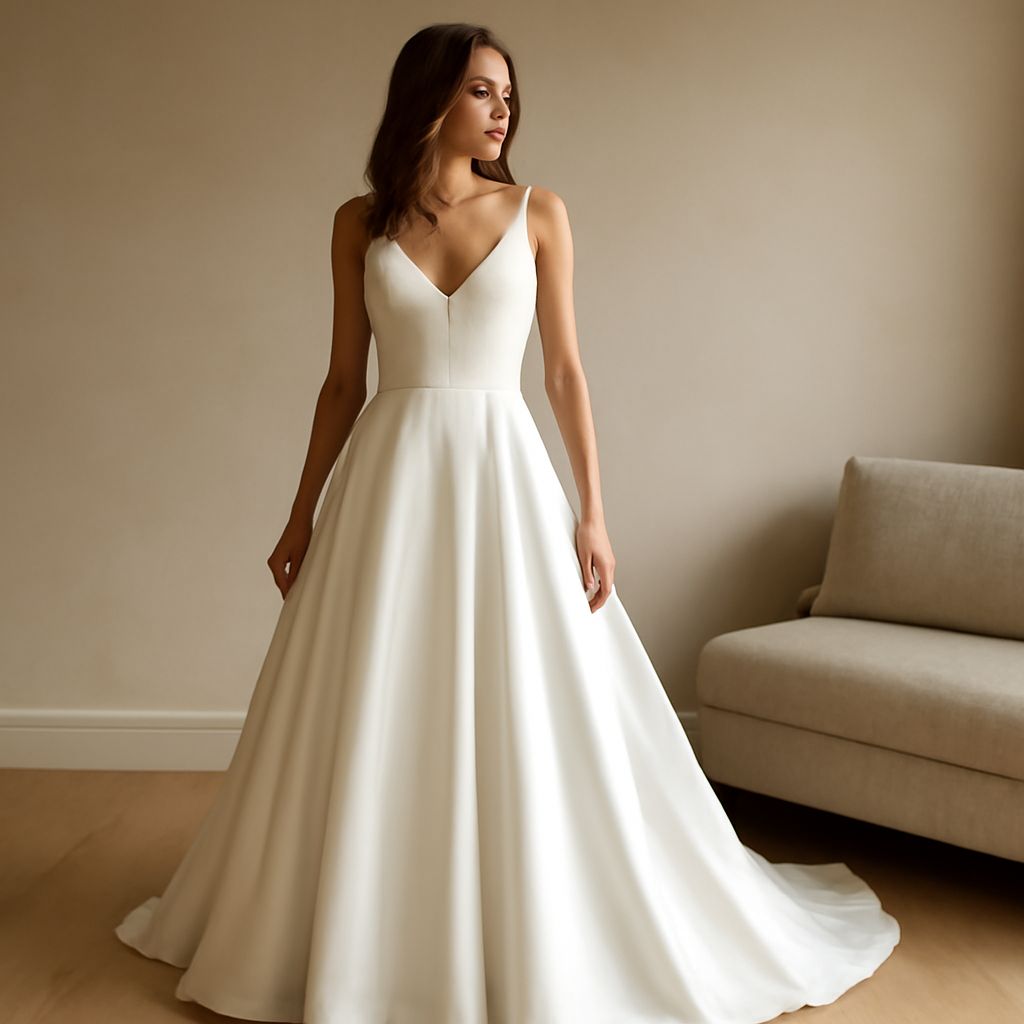
The contemporary couture scene also includes private commissions and bespoke bridalwear, allowing clients to collaborate directly with designers for personalized, meaningful garments. Whether showcased on the runway or worn at a private celebration, couture remains the pinnacle of fashion artistry—representing a fusion of tradition, innovation, and uncompromising quality.