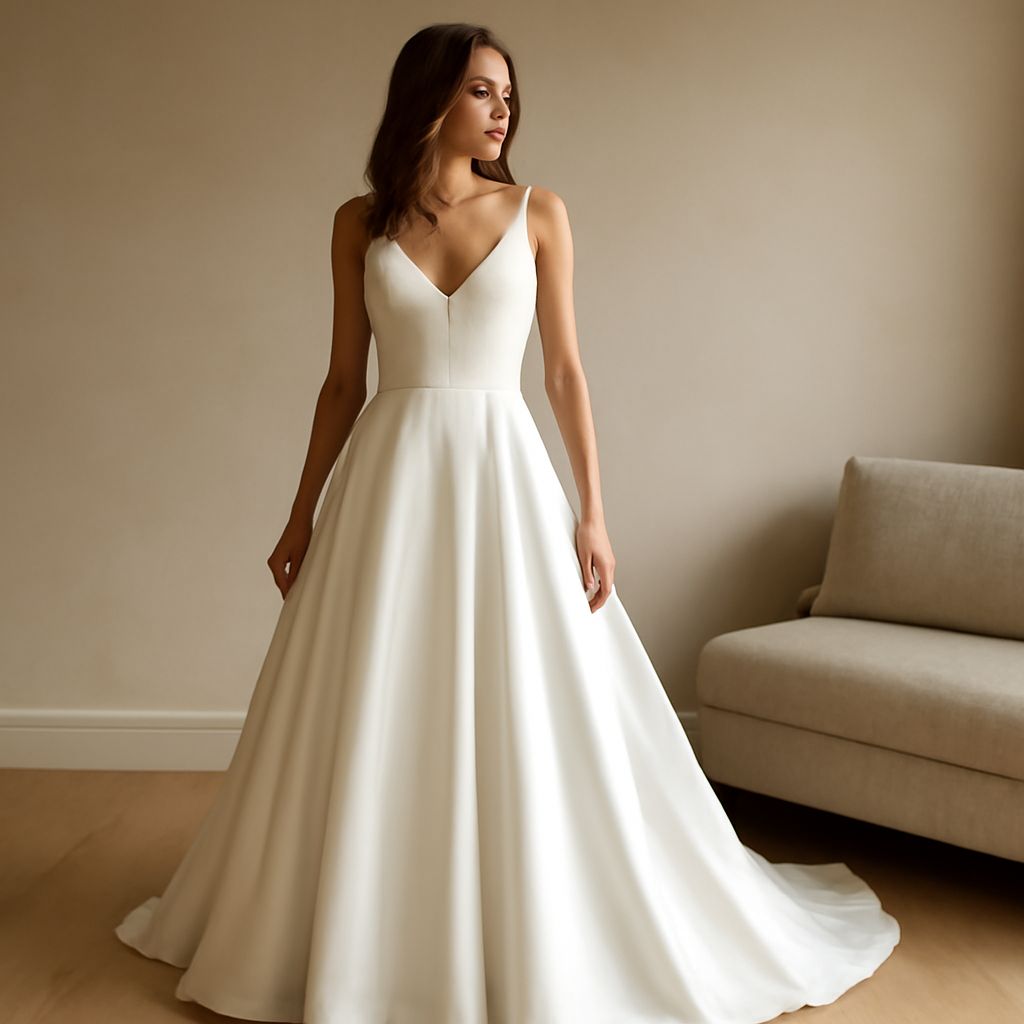
The line dress is a foundational silhouette in women’s fashion, known for its universally flattering shape and enduring appeal. If you’ve ever wondered what is a line dress, it’s a style defined by clean, straight seams and a gently widening cut from the shoulders or bust down to the hem. This simple yet sophisticated dress shape continues to influence designers and remains a staple for anyone seeking versatility and elegance in their wardrobe.
Defining the Line Dress
A line dress refers to a garment cut in the form of a capital letter “A.” The term “A-line dress” is often used interchangeably and describes a design that is fitted at the top and gradually flares out towards the hem, creating an “A” shape when viewed from the front. This dress was popularized in the 1950s by designer Christian Dior and later refined by Yves Saint Laurent.
The hallmark of a line dress is its simple, structured silhouette. Unlike body-hugging shapes, a line dress gently skims the bust and waist before widening through the hips and thighs. The result is a universally appealing look that works for a variety of body types and personal styles. This dress shape tends to avoid excessive embellishment in favor of clean lines and subtle tailoring.
The line dress has evolved to include variations with different sleeve lengths, necklines, and fabrics, but the essential quality remains the same: a balancing, flared profile that starts narrow at the shoulders and widens gracefully toward the hem. It is a foundational piece in both casual and formal wardrobes.
Key Features and Silhouette
The defining characteristic of a line dress is its gradual flare from the bust or waist, which forms a soft “A” silhouette. Unlike voluminous styles like the ball gown or fit-and-flare, the flare of a line dress is subtle and controlled, which contributes to its timeless elegance. The skirt is not gathered or pleated but rather cut to flare naturally from the top point, ensuring smooth lines through the body.
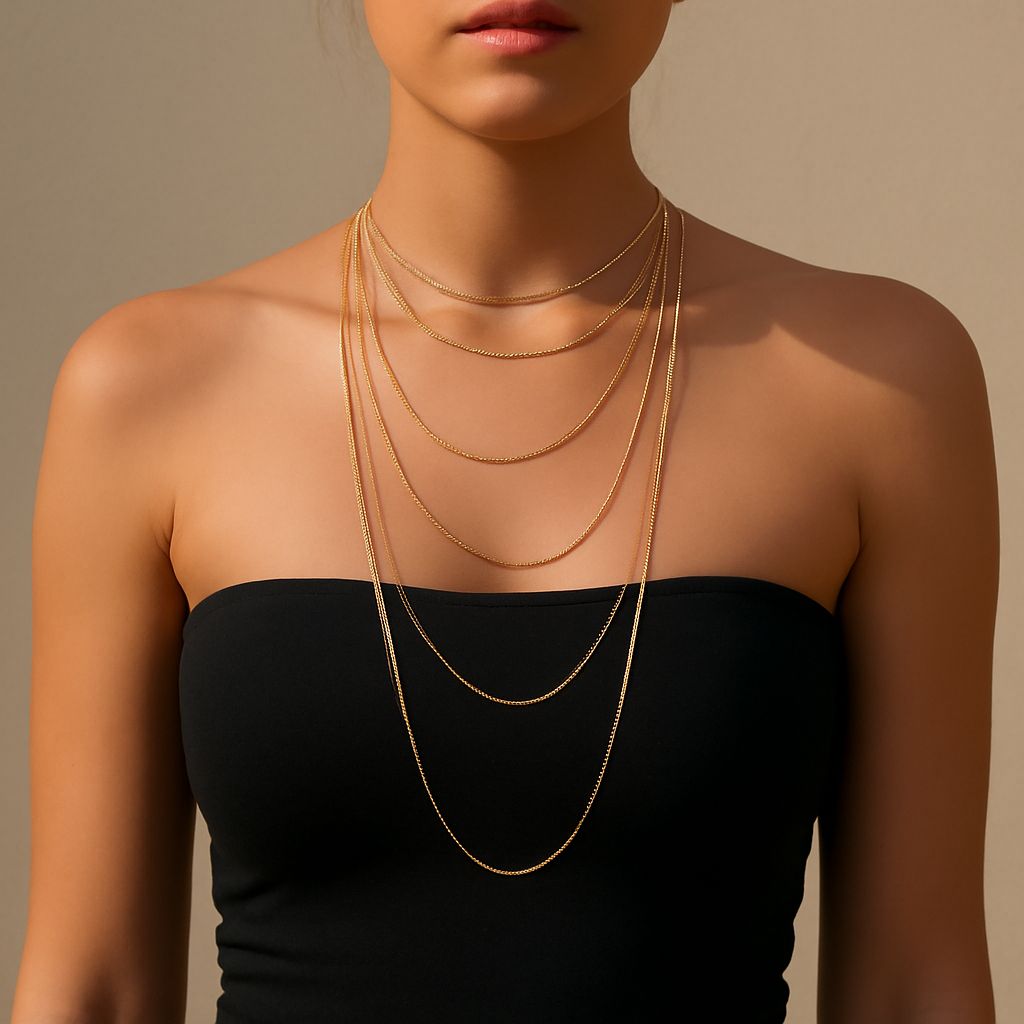
Most line dresses are unadorned by waist seams or heavy embellishments, emphasizing their effortless, understated look. The neckline can vary—classic crew, V-neck, boat neck, and even strapless options all exist within this category. Sleeve lengths also offer flexibility, ranging from sleeveless to long-sleeved options, making this silhouette adaptable to any season.
The length of a line dress can vary, though knee-length versions are classic. Modern styles may be mini, midi, or maxi, and the choice of fabric—think crisp cotton for daytime, wool for winter, or silk for evening—allows this dress shape to work in almost any context. Crucially, a line dresses flatter by skimming the body, making them a go-to option for those who prefer comfort with structure.
How the Line Dress Compares to Other Dress Shapes
This dress shape stands out among other popular silhouettes. Compared to the sheath dress, which remains straight and fitted from top to hem, the line dress introduces gentle width at the hem, giving more freedom of movement and a softer outline. Unlike the fit-and-flare, which emphasizes a cinched waist and a dramatic, often gathered skirt, the line dress is more subtle and less structured around the waist, resulting in a streamlined look.
Another comparison is with the shift dress, which is typically cut straight from shoulders to hem with no real flare. While both the shift and line dresses offer comfort and simplicity, the line dress creates a more defined, flattering triangle shape, which can visually balance broader shoulders or provide ease for fuller hips.
Examples of iconic line dress designs include Dior’s 1955 A-line collection and the 1960s mod mini-dress. Modern brands like J.Crew, COS, and Theory regularly feature updated line dresses in their collections, demonstrating the enduring popularity and adaptability of this silhouette.
Styling Tips and Popular Occasions
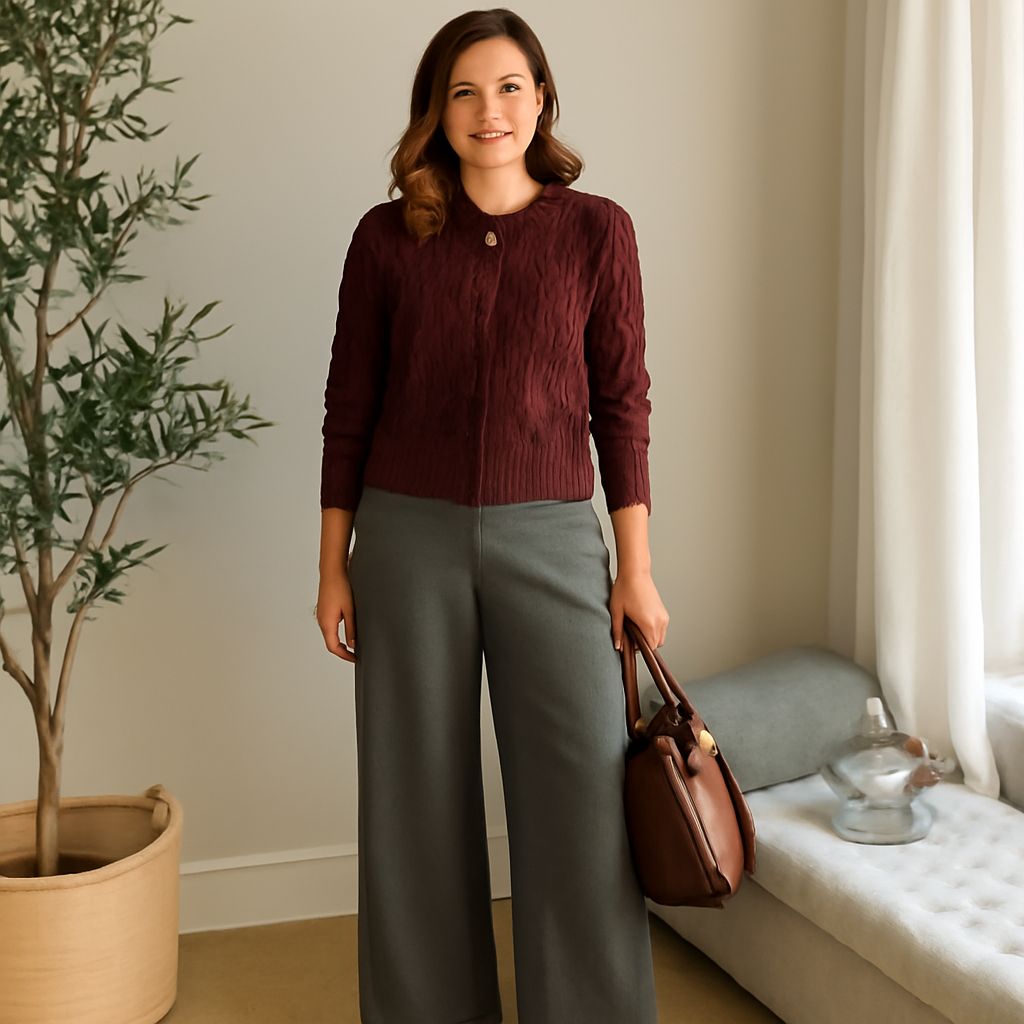
Styling a line dress is straightforward due to its clean lines and adaptability. For a casual look, pair a knee-length cotton line dress with flat sandals or simple white sneakers. Add a denim jacket or a lightweight cardigan for transitional weather. For work, a structured line dress in wool or crepe can be paired with a tailored blazer and modest heels, delivering polish without sacrificing comfort.
To dress up a line dress for evening or a special occasion, look for luxe fabrics like silk, satin, or velvet. Add statement jewelry, a clutch, and strappy heels to elevate the look. The simplicity of the silhouette provides a perfect backdrop for bold accessories or textured layers.
This versatility makes the line dress suitable for everything from brunches and office meetings to weddings and cocktail events. Whether you prefer minimalist neutrals or eye-catching prints, the line dress adapts seamlessly, remaining stylish and relevant year after year.