Cloaks and capes have been integral to fashion and utility for centuries. They serve not only as garments for warmth and protection but also as symbols of status and style. In this guide, we’ll explore the various types of cloaks and types of capes, their distinct features, and their cultural and fashion significance.
Introduction to Cloaks and Capes
Cloaks and capes are often confused due to their similar appearances. However, they have unique characteristics that set them apart. Cloaks generally offer full-body coverage and are designed for utility, while capes are shorter and often serve more decorative purposes. Both have rich histories and have evolved in style across different cultures.
Types of Cloaks
Cloaks vary widely in style and function. Here are some popular types:
- Full-Length Cloak: This traditional cloak extends to the ground, providing maximum coverage and warmth. It has been used in many cultures for protection against the elements.
- Travel Cloak: Often shorter than a full-length cloak, this type is lightweight and designed for convenience during travel. It typically includes a hood for additional protection.
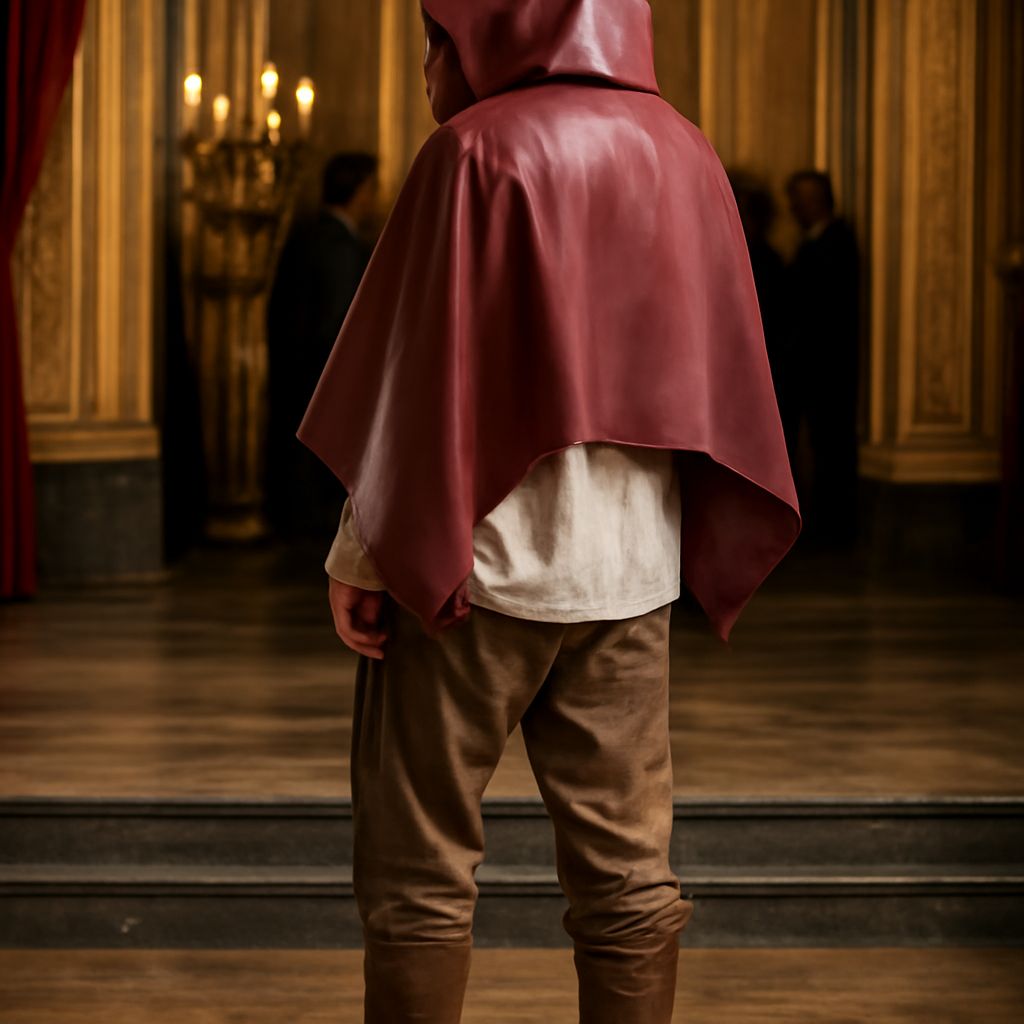
- Hooded Cloak: A versatile option that includes a hood, making it suitable for both outdoor use and as a fashion statement.
- Roman Cloak (or Toga): Known for its historical significance, this type was worn in ancient Rome and signified status and citizenship.
Types of Capes
Capes, while similar to cloaks, are generally shorter and more decorative. Here are some common types:
- Shoulder Cape: Also known as a capelet, this short cape covers only the shoulders and upper arms. It’s often used in formal attire.
- Opera Cape: A luxurious and dramatic option, typically worn over evening wear. It’s longer than a shoulder cape but shorter than a cloak.
- Superhero Cape: Popularized by comic book culture, these are iconic for their dramatic flair and often include emblematic designs.
- Rain Cape: Made from waterproof materials, this type is functional and used for protection against rain, offering a stylish yet practical solution.
Cultural and Fashion Significance
Cloaks and capes have held various roles throughout history. In medieval times, cloaks were essential for warmth and carried symbolic weight, often indicating a person’s rank or profession. In contemporary fashion, they have been reimagined on runways worldwide, showcasing their versatility and timeless appeal.
Capes, on the other hand, have often been associated with heroism and mystery. From literature to film, capes evoke a sense of drama and elegance, making them a favorite in costume design.
Both garments continue to influence modern fashion trends, blending traditional craftsmanship with contemporary styles. Whether for practical use or fashion-forward statements, cloaks and capes remain enduringly popular.