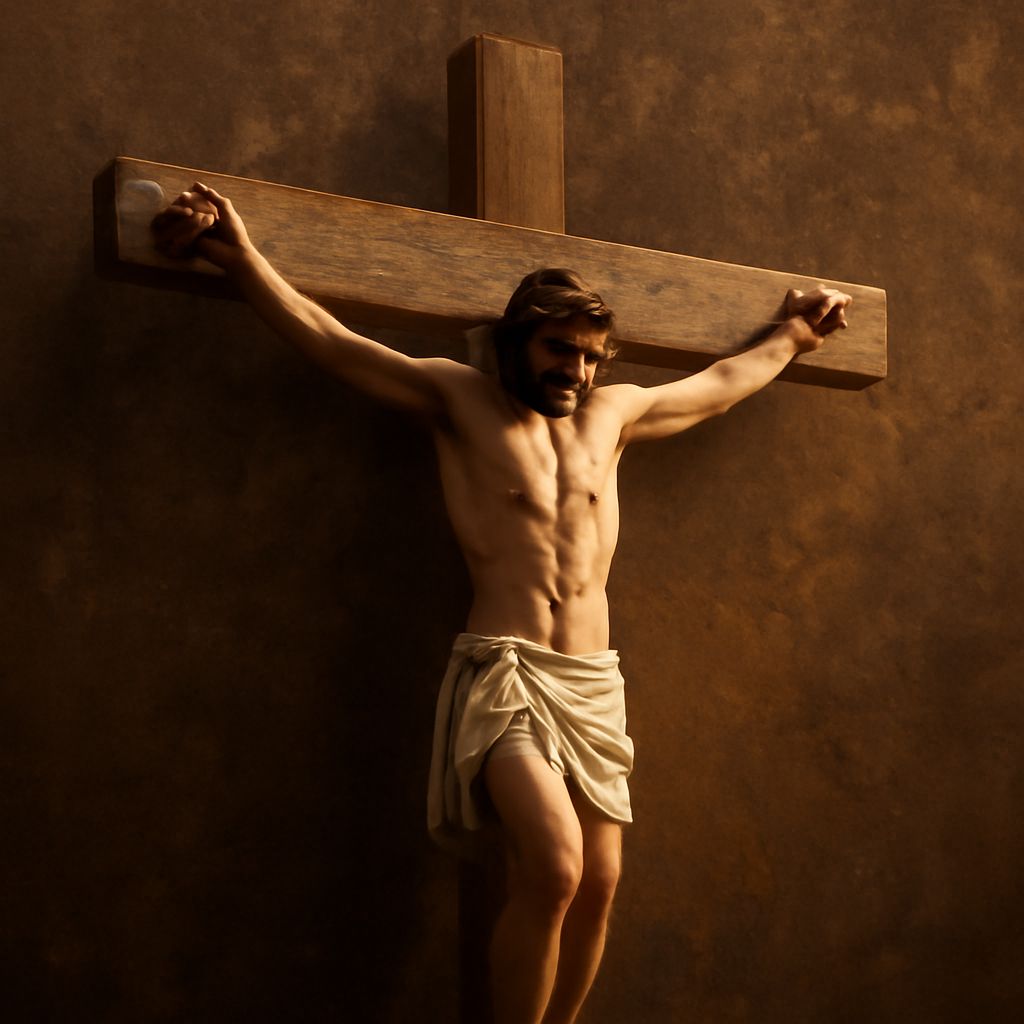
Andres Serrano’s Piss Christ is a provocative piece of contemporary art that has sparked significant debate since its creation in 1987. Utilizing a blend of religious iconography and bodily fluids, the artwork challenges traditional boundaries and invites viewers to question the intersection of art, religion, and censorship.
Introduction to ‘Piss Christ’
Piss Christ is a photograph by Andres Serrano depicting a small plastic crucifix submerged in a glass of the artist’s urine. This piece was part of Serrano’s series exploring bodily fluids and their role in art. By using such a controversial medium, Serrano intended to provoke a conversation about the sacred and the profane.
Cultural and Artistic Context
Created during a period of intense cultural debate in the United States, Piss Christ embodies the tensions between conservative values and avant-garde art. The late 1980s saw a surge in art that pushed boundaries, challenging viewers to reconsider their perceptions of traditional themes. Serrano’s work fits within this movement, questioning the commercialization of religious symbols and the boundaries of artistic expression.
Public Reaction and Controversy
The public reaction to Piss Christ was immediate and intense. Many saw it as a direct attack on Christian values, leading to widespread outrage. It was denounced by religious groups and conservative politicians, who argued that it was blasphemous and should not be publicly funded. Despite this, others defended the work as a legitimate critique of the commercialization of religious imagery and an exercise of free expression.
Legacy and Impact on Art
The lasting impact of Piss Christ is evident in its continued relevance within discussions on art and censorship. It sparked debates on what constitutes art and the role of government in funding potentially offensive artwork. Serrano’s work has influenced a generation of artists who seek to challenge societal norms and question traditional boundaries within their creative expressions.
Overall, Piss Christ remains a pivotal piece in contemporary art, illustrating the power of visual media to challenge and engage viewers. Its legacy is not only in its content but in the conversations it continues to inspire about the role of art in society.