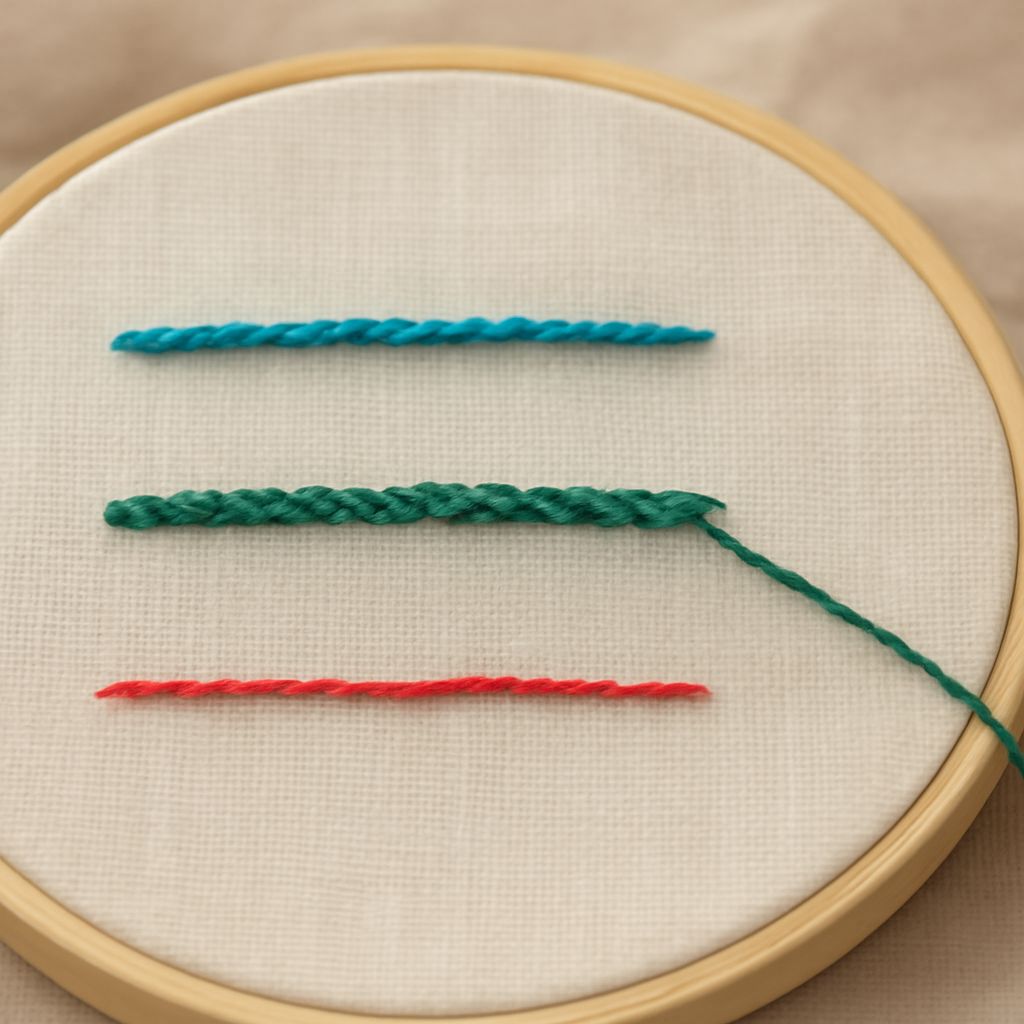
Hand stitching is a timeless technique that adds a personal touch to textile crafts. Whether you’re embellishing a garment or creating a unique piece of art, understanding the basics of hand stitching can elevate your projects. This guide examines common types of hand stitches, explores popular hand stitching patterns, and offers tips for perfecting your technique.
Introduction to Hand Stitching
Hand stitching involves sewing fabric pieces together using a needle and thread. It allows for intricate detailing and customization that machines can’t replicate. This method is particularly valued in quilting, embroidery, and bespoke tailoring, where precision and a personal touch are paramount.
Common Types of Hand Stitches
There are several types of hand stitches, each serving a distinct purpose in sewing. Here are some of the most commonly used:
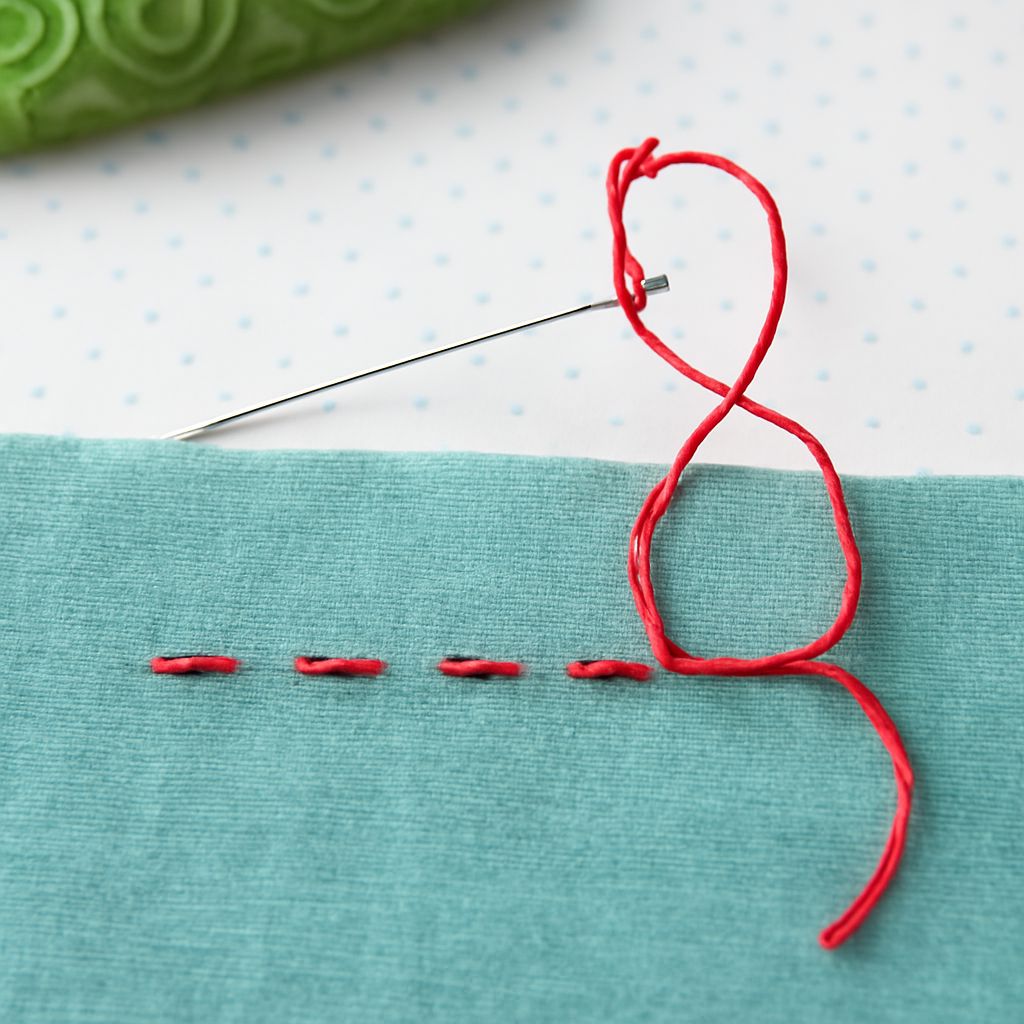
- Running Stitch: A basic stitch used for gathering or seaming. It involves weaving the needle in and out of the fabric at regular intervals.
- Backstitch: Known for its strength, this stitch is often used in seams and repairs. It creates a solid line by sewing backward and forward with each pass.
- Whip Stitch: This stitch wraps around the edge of the fabric to join pieces or finish edges. It’s frequently used in sewing leather and felt.
- Blanket Stitch: Used as both a decorative and finishing stitch, it’s often seen on the edges of blankets and quilts, providing a neat and decorative finish.
Exploring Hand Stitching Patterns
Hand stitching patterns can transform your sewing projects into works of art. Understanding these patterns allows you to add texture and interest. Some popular hand stitching patterns include:
- Cross Stitch: A versatile pattern used in various decorative projects. It forms an “X” shape and is often used in embroidery.
- Chain Stitch: Creating a series of looped stitches resembling a chain, this pattern is ideal for outlines and details in decorative work.
- Herringbone Stitch: Known for its zigzag appearance, this pattern is used in embroidery and hemming, adding texture and strength.
Tips for Perfect Hand Stitching
To master hand stitching, practice is essential. Here are some tips to refine your technique:
- Choose the Right Needle: Select a needle that matches your fabric and thread. A smaller needle is suitable for lightweight fabrics, while a thicker needle works better for heavy materials.
- Maintain Thread Tension: Ensure your thread tension is consistent to avoid puckering or loose stitches.
- Use a Thimble: Protect your fingers by using a thimble, especially when working with thicker fabrics or multiple layers.
- Practice Regularly: The more you practice, the more confident and precise your stitching will become.