Blackface minstrelsy, a controversial and influential cultural phenomenon, emerged in the early 19th century in the United States. It played a significant role in shaping the entertainment industry but also left a legacy of racial stereotypes and cultural appropriation. Understanding its origins and impact can provide insights into its complex history and ongoing influence.
Origins of Blackface
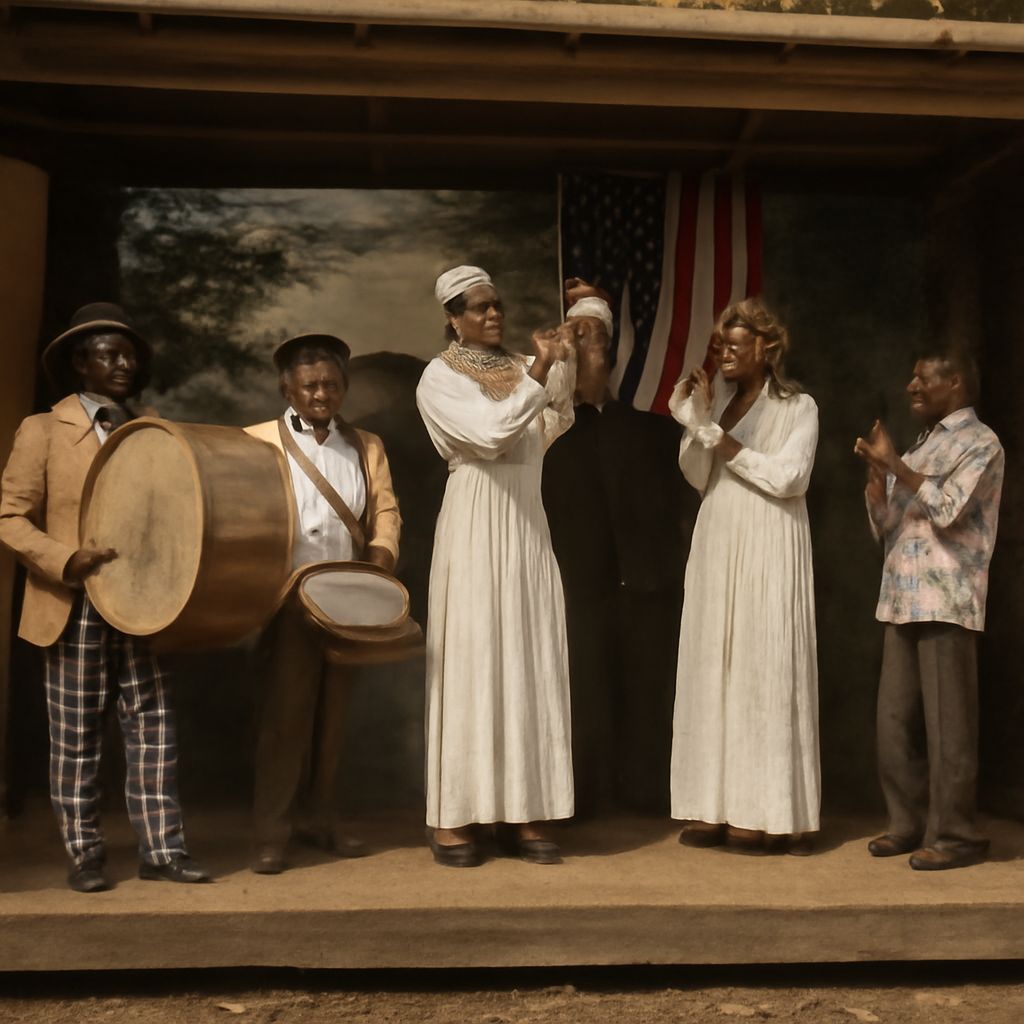
Blackface minstrelsy began in the 1830s when white performers painted their faces black to caricature enslaved Africans and African Americans. This form of entertainment gained popularity through minstrel shows, which were theatrical performances characterized by skits, music, and dance. The first well-known minstrel performer was Thomas Dartmouth “Daddy” Rice, who created the character Jim Crow, drawing on African American stereotypes for comedic effect.
Minstrel shows quickly became a staple of American entertainment, spreading across the country and solidifying blackface as a prominent theatrical art form. These shows were often performed by white actors in blackface, though later African American performers also participated, sometimes adopting the exaggerated mannerisms popularized by their white counterparts.
Cultural Impact
The cultural implications of blackface minstrelsy are profound. While these performances provided entertainment to audiences, they also reinforced negative stereotypes about African Americans. Minstrelsy perpetuated the idea of African Americans as inferior, lazy, and buffoonish, shaping public perceptions in harmful ways. This form of entertainment mocked African American culture, contributing to the marginalization and dehumanization of an entire race.
Despite its negative aspects, minstrelsy also highlighted African American music and dance, albeit through a distorted lens. Elements of African American culture were introduced to mainstream audiences, albeit in a mocking fashion. This exposure laid the groundwork for future appreciation and adaptation of African American cultural contributions in broader American culture.
Legacy in Entertainment
The legacy of blackface minstrelsy is complex and multifaceted. While the practice itself is now widely condemned, its influence on modern entertainment is undeniable. The minstrel show format paved the way for vaudeville and later forms of variety entertainment, setting precedents for comedic and musical performances that followed.
Many popular cultural elements, including certain comedic tropes and musical styles, can trace their roots back to minstrelsy. However, the racial stereotypes propagated by blackface have had lasting effects, contributing to systemic racism and ongoing cultural insensitivity.
Understanding what is minstrelsy and its impact is crucial for comprehending the historical contributions and missteps that have shaped contemporary entertainment. Today, there is a conscious effort to acknowledge and learn from this past, promoting more inclusive and respectful representations of diverse cultures in the media.