The Harlequin character, a central figure in the traditional Italian theater form known as commedia dell’arte, has captivated audiences for centuries with his colorful costume and playful demeanor. This iconic character embodies the spirit of mischief and cleverness, often serving as a witty servant in the theatrical performances of the time. Understanding the origins, role, costume, and influence of the Harlequin character offers valuable insights into his enduring appeal and cultural significance.
Origins of the Harlequin Character
The origins of the Harlequin character can be traced back to the late 16th century in Italy. The name “Harlequin” is believed to have derived from the Old French term “Herlequin,” which refers to a demon or mischievous spirit. Harlequin emerged as part of the commedia dell’arte tradition, which featured stock characters and improvised performances. This theatrical form reached its peak in popularity during the Renaissance era, with Harlequin becoming one of its most beloved figures.
Role in Commedia dell’Arte
In commedia dell’arte, Harlequin typically played the role of the zanni, or comic servant, known for his clever tricks and humorous antics. He often aided the protagonists in overcoming obstacles and resolving conflicts, adding a layer of comedy to the narrative. Harlequin’s character was defined by his agility and wit, enabling him to outsmart the other characters on stage. Despite his lowly status, he often displayed an intelligence that allowed him to manipulate situations to his advantage, making him a pivotal figure in the storyline.
The Iconic Costume
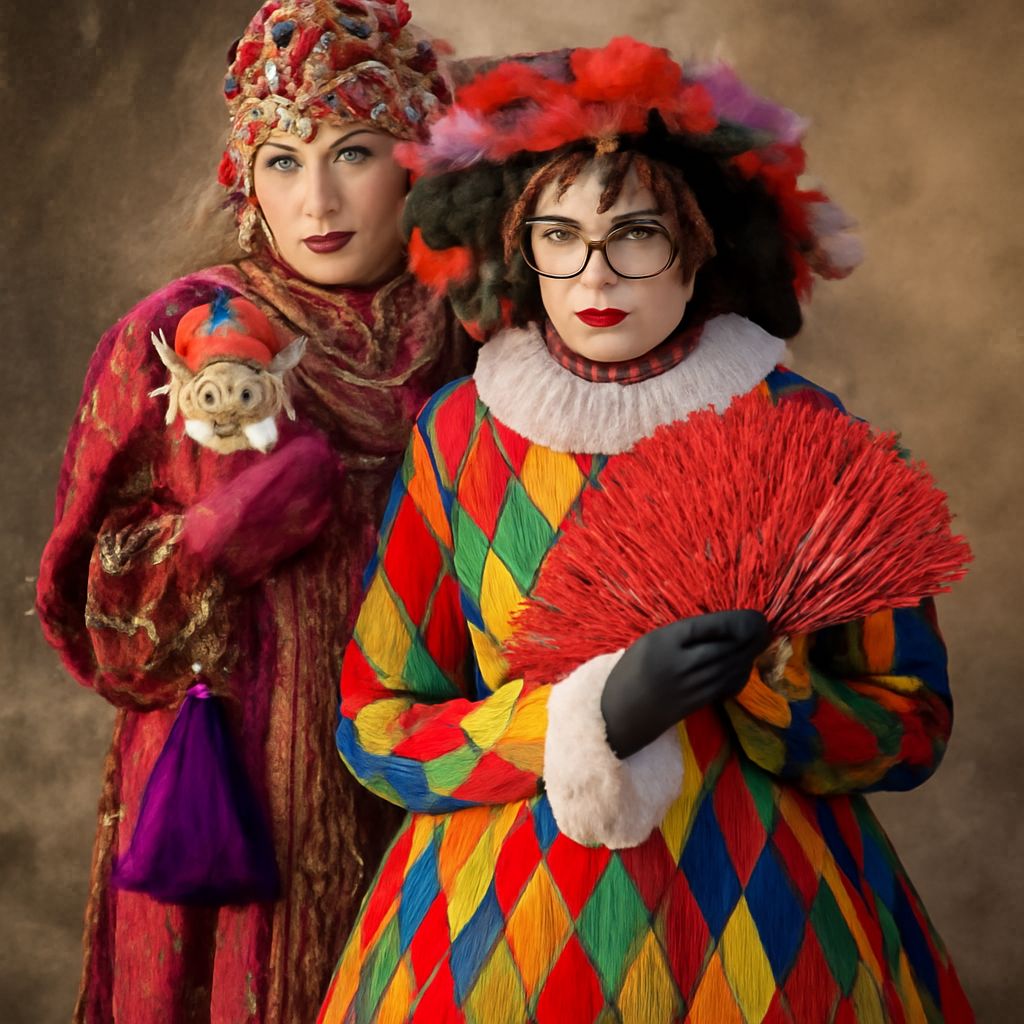
Harlequin’s costume is perhaps his most recognizable feature, instantly identifiable by its vibrant diamond pattern. The costume traditionally consists of a fitted jacket and trousers adorned with multicolored patches, symbolizing the character’s playful and chaotic nature. The mask, usually black, adds an element of mystery and intrigue to Harlequin’s persona. The costume is not only visually striking but also functional, allowing the actor to perform the acrobatic feats for which Harlequin is famous. This distinctive attire has become a symbol of the character’s mischievous spirit and enduring charm.
Influence on Modern Theatre
The Harlequin character has had a lasting influence on modern theatre and popular culture. His presence can be seen in various forms of entertainment, from theatrical performances to films and literature. Harlequin’s role as a clever trickster and his distinctive appearance have inspired countless adaptations and reinterpretations. Elements of his character can be found in the works of playwrights such as Molière and Shakespeare, who incorporated similar archetypes into their own stories. Additionally, the Harlequin’s vibrant costume has influenced fashion and design, appearing in contemporary collections and art.
Today, the legacy of the Harlequin character continues to thrive, reminding audiences of the timeless appeal of humor and creativity in storytelling. Through his enduring presence, Harlequin remains a testament to the power of theatre to entertain, engage, and inspire.